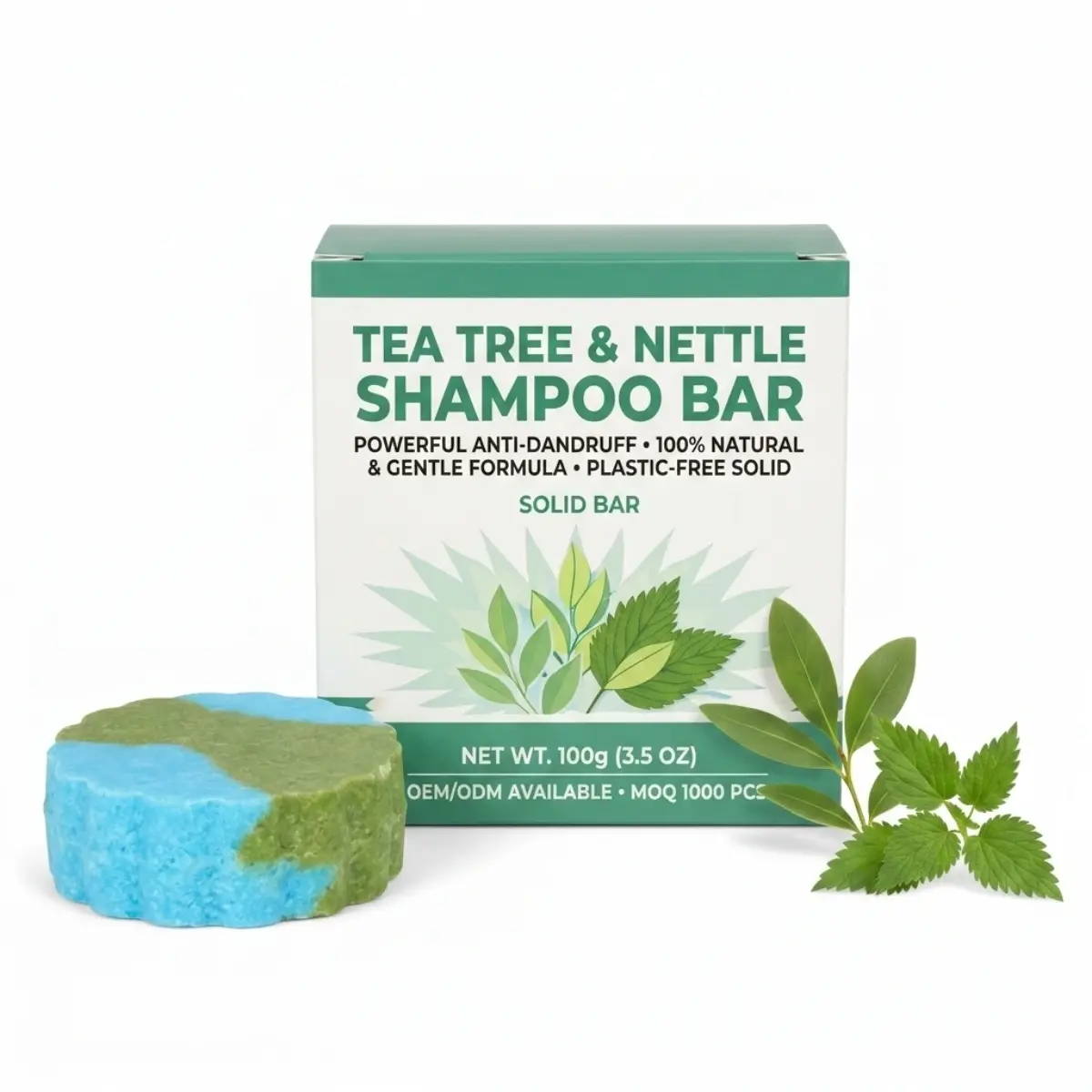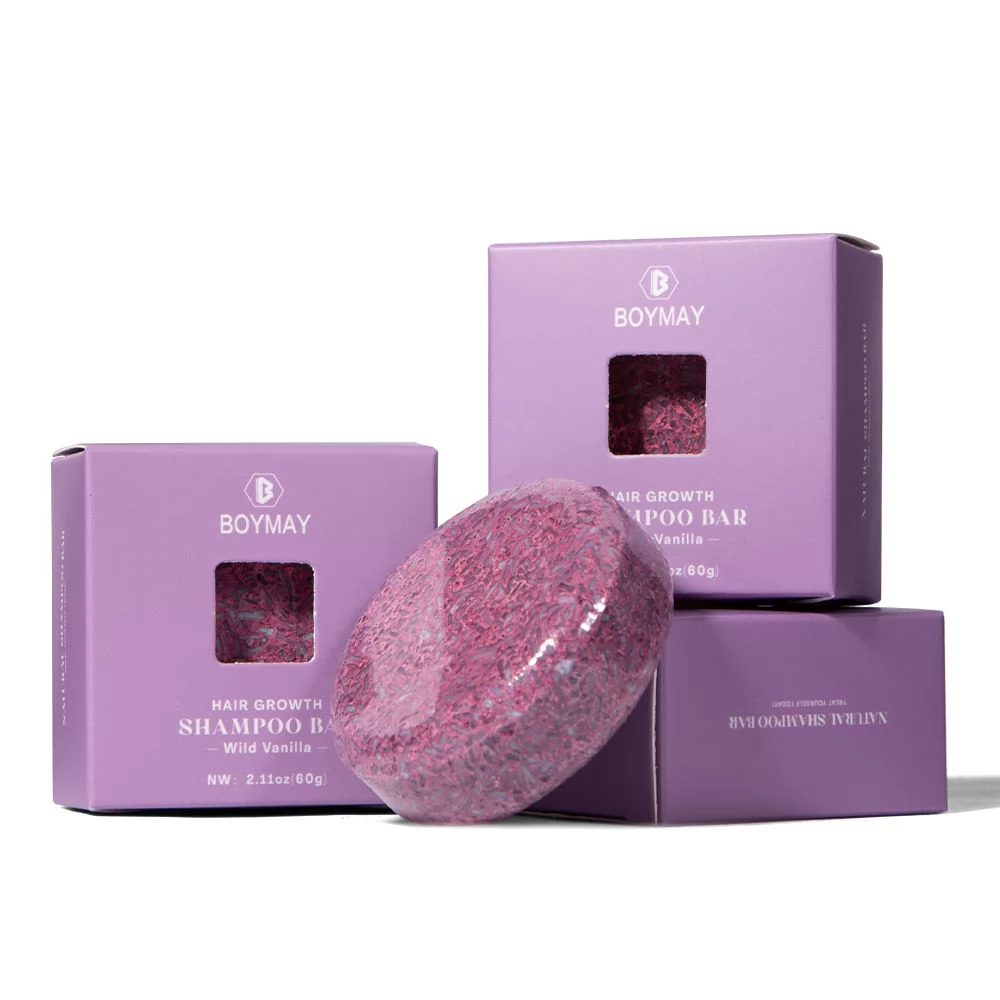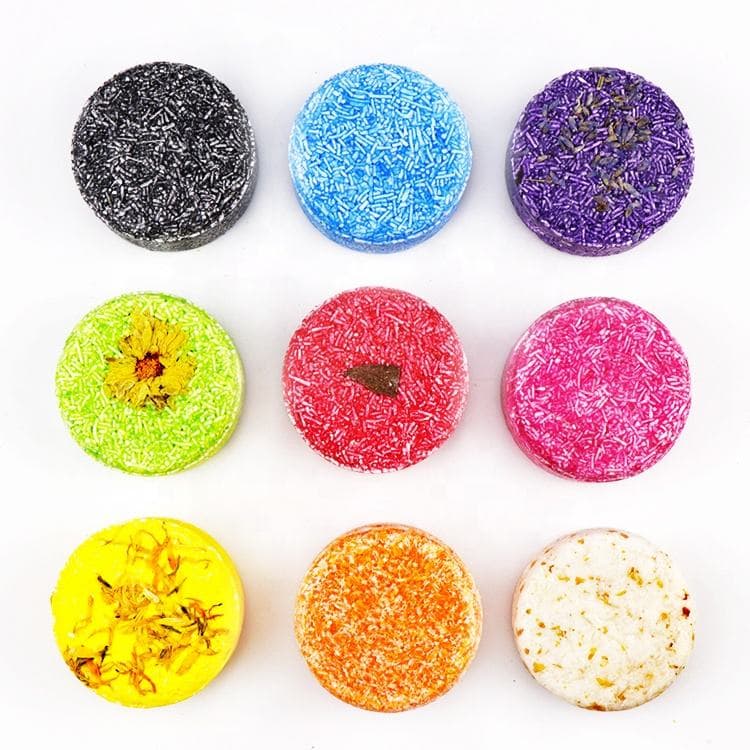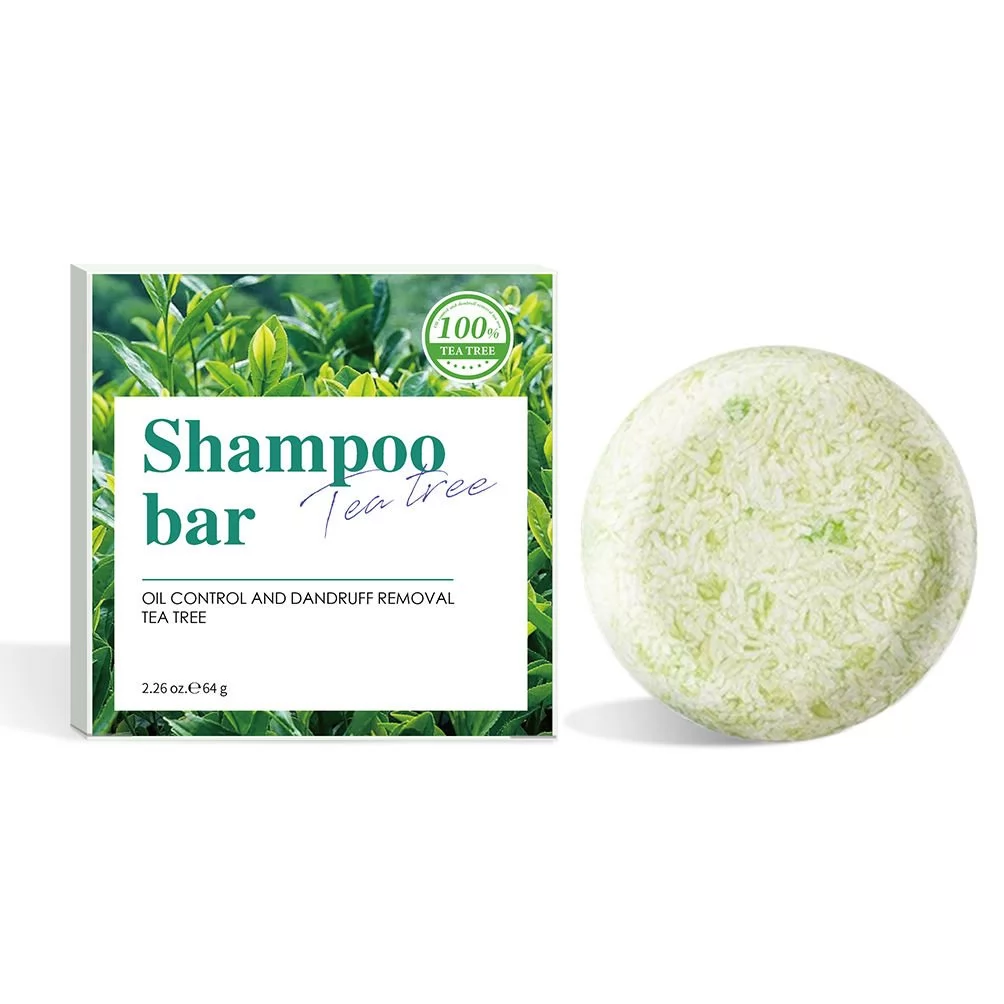

Choosing a shampoo bar manufacturer in China involves more than comparing unit prices and minimum order quantities. For beauty brands, wholesalers, and private label businesses, the right supplier must be able to deliver the intended formula, consistent production quality, suitable packaging, and documentation for the destination market.
China offers multiple sourcing options for solid hair care products, ranging from specialized soap manufacturers to broader cosmetics OEM/ODM companies. However, suppliers differ in their manufacturing arrangements, formulation expertise, customization options, and product development support.
This guide introduces 10 shampoo bar manufacturers and suppliers in China with publicly available solid shampoo products or related OEM services. It also explains how to evaluate their capabilities, request comparable quotations, and reduce sourcing risks before placing a bulk order.

How We Selected These Shampoo Bar Suppliers
This shortlist was prepared using publicly accessible company websites, shampoo bar product listings, and supplier information available as of October 28, 2026.
To be considered, a company needed publicly identifiable Chinese operations and evidence of shampoo bar products or relevant private label manufacturing services.
The main research criteria were:
- Product relevance: Evidence of solid shampoo bars rather than liquid shampoo alone.
- OEM/ODM availability: Published information about customization, contract manufacturing, or private label supply.
- Supplier transparency: Accessible company information, product specifications, or factory-related documentation.
- Buyer usefulness: Sufficient information to identify relevant questions for a supplier inquiry.
Important disclosure: This is an editorial sourcing shortlist, not an independently audited ranking of China's ten largest or highest-performing manufacturers. The companies are not ordered by sales, manufacturing capacity, product quality, or customer satisfaction.
Some supplier information comes from company statements or third-party marketplace profiles. Manufacturing arrangements, current certifications, pricing, MOQ, and lead times should be verified directly.
This article is published by Boymay, which is included in the shortlist. Boymay's inclusion should be considered with that commercial relationship in mind.
10 Shampoo Bar Manufacturers and Suppliers in China
1. Amber Biotech Ltd.
Location: Guangdong, China
Product focus: Solid shampoo bars and broader hair care products
Amber Biotech markets a range of hair care products, including handmade solid shampoo bars available for OEM supply.
Its public product listings describe multiple shampoo bar weights and customized packaging options. The company's supplier profile also describes manufacturing and product development activities.
For businesses exploring conventional hair care alongside solid shampoo formats, Amber Biotech may be worth including in an initial supplier comparison.
What buyers should verify:
- Which shampoo bar formulas are manufactured in the company's own facilities
- Available surfactant systems and full ingredient lists
- MOQ for standard products versus customized formulas
- Sample testing procedures and production location
- Supplier reference: Amber Biotech solid shampoo bar listing
2. Baijie Cosmetic
Location: Guangzhou, Guangdong
Product focus: Private label shampoo bars with retail packaging
Baijie Cosmetic presents a solid shampoo bar collection designed for private label hair care programs.
One published product range features shampoo bars supplied with round tin packaging and multiple botanical-inspired variants, including tea tree, mint, lavender, rosemary, and aloe.
The company advertises custom logos, labels, fragrance choices, and retail packaging options.
This type of product presentation may interest brands that want to compare ready-developed product concepts before investing in a completely new formulation.
What buyers should verify:
- Whether shampoo bars are manufactured in-house or through production partners
- Availability of complete INCI ingredient information
- Formula customization limits
- Packaging compatibility and stability testing
- Minimum quantities for custom printed tins
Supplier reference: Baijie Cosmetic private label shampoo bars
3. Boymay Cosmetics Co., Ltd.
Location: Huizhou, Guangdong
Product focus: OEM/ODM personal care products and solid hair care
Boymay provides private label and OEM/ODM manufacturing services for personal care products, including shampoo bars.
Its public hair care catalog includes rice water protein shampoo bars, herbal shampoo bars, argan oil shampoo bars, and other solid hair care formats.
The company offers formulation and packaging customization services for brands, wholesalers, and distributors.
For buyers developing a shampoo bar collection, the product range provides several possible starting points for formulation discussions.
However, available product concepts should not be confused with confirmed specifications for a new project. Formula selection, packaging, MOQ, production schedules, and required documents should be agreed upon for each SKU.
What buyers should evaluate:
- Available soap-based and syndet shampoo bar formulas
- Custom fragrance, shape, weight, and packaging options
- Sample approval and quality acceptance procedures
- Product-specific stability documentation
- Destination-market labeling requirements
Boymay is part of the Poleview Group business structure. Buyers comparing supplier lists should therefore check company ownership and production entities to avoid counting related businesses as fully independent manufacturing groups.
Explore Boymay's private label hair care manufacturing options or review an example castor oil shampoo bar product.
4. Guangzhou Beaver Cosmetic Co., Ltd.
Location: Guangzhou, Guangdong
Product focus: Professional hair care products and solid shampoo bars
Guangzhou Beaver Cosmetic is a hair care manufacturer associated with the Beaver and Luxliss product ranges.
The company's website describes its hair care manufacturing background, while supplier catalog listings include solid shampoo products containing ingredients such as argan oil, coconut oil, and other botanical-inspired components.
This makes the company a possible candidate for brands comparing solid shampoo products with broader salon-oriented hair care portfolios.
What buyers should verify:
- Whether private label solid shampoo bar production is currently available
- Whether the proposed formula is soap-based or syndet-based
- Custom branding and packaging options
- Current factory documentation and product testing
- Production and quality-control responsibilities
Supplier reference: Guangzhou Beaver Cosmetic
5. Guangzhou Chumei Cosmetics Co., Ltd.
Location: Guangzhou, Guangdong
Product focus: Cosmetics OEM/ODM and waterless shampoo bar development
Guangzhou Chumei publishes information about cosmetics contract manufacturing and an example of waterless shampoo bar development.
Its published case-study material discusses formulation decisions, solid product manufacturing, packaging requirements, and market compliance considerations.
For procurement teams, these are relevant areas to investigate when comparing suppliers for a customized solid shampoo project.
However, a published company case study is not the same as an independently audited production record. Buyers should request supporting specifications, representative testing information, and confirmation of the facilities used for the proposed product.
What buyers should verify:
- Current shampoo bar manufacturing capability
- Availability of soap-free or syndet formulas
- Stability and packaging testing procedures
- Formula ownership and confidentiality arrangements
- Applicable cosmetic manufacturing documentation
Supplier reference: Guangzhou Chumei's shampoo bar development article
6. Guangzhou Mebamy Cosmetics Co., Ltd.
Location: Guangzhou, Guangdong
Product focus: Customized cosmetics and solid shampoo bars
Guangzhou Mebamy Cosmetics offers OEM/ODM cosmetics services and lists several shampoo bar products through supplier platforms.
Public listings include solid hair cleansing products with different ingredient and fragrance directions, alongside private label packaging options.
This supplier may be relevant to brands comparing botanical-inspired shampoo bars with more general cosmetics contract manufacturing services.
As with other suppliers, product listings should be treated as initial sourcing evidence, not proof that every customization or performance claim has been independently validated.
What buyers should verify:
- The actual production process for each shampoo bar
- Full INCI ingredient lists
- Suitability for the target hair type and market
- Available product testing and compliance documents
- Custom formula development versus relabeling options
Supplier reference: Guangzhou Mebamy Cosmetics
7. Huizhou Yajiali Industrial Co., Ltd.
Location: Huizhou, Guangdong
Product focus: Customized solid personal care and shampoo bars
Huizhou Yajiali Industrial markets handmade solid shampoo bars and other personal care products through an audited supplier marketplace profile.
Its public shampoo bar listing describes fragrance, weight, and packaging customization, as well as OEM/ODM supply options.
The company may be worth evaluating for buyers seeking solid personal care products with coordinated branding and packaging.
However, quoted specifications and manufacturing claims should be reconfirmed before purchase, especially when different product configurations require different manufacturing processes.
What buyers should verify:
- Factory responsibility for the proposed shampoo bar SKU
- Soap-based versus syndet formulation options
- Packaging choices for humid storage conditions
- MOQ for each formula and packaging variation
- Relevant testing and batch documentation
Supplier reference: Huizhou Yajiali shampoo bar listing
8. Rensino Shampoo Co., Ltd.
Location: Guangzhou, Guangdong
Product focus: Shampoo manufacturing and private label hair care
Rensino Shampoo advertises OEM/ODM hair care manufacturing services, including solid shampoo bars.
Its product catalog includes a private label solid shampoo listing with customization information for brands and distributors.
For businesses developing a hair cleansing product range, Rensino provides another candidate to compare for formulation and packaging requirements.
Buyers should request product-specific specifications rather than assuming that capabilities advertised for liquid shampoo also apply to solid bars.
What buyers should verify:
- Solid shampoo production facilities and processes
- Available ingredient and surfactant systems
- Current MOQ for the intended formulation
- Sample development arrangements
- Quality testing and export documentation
Supplier reference: Rensino OEM shampoo bar product
9. Zhejiang Jifu Daily Chemical Co., Ltd.
Location: Huzhou, Zhejiang
Product focus: Daily chemical products and OEM/ODM hair care
Zhejiang Jifu Daily Chemical is listed as a manufacturer and trading company supplying cleaning and personal care products.
Its supplier catalog includes shampoo bar listings and general OEM/ODM capabilities.
For importers sourcing more than one daily-use product category, the company may be a candidate for initial supplier screening.
Because its public portfolio covers numerous product categories, buyers should establish whether shampoo bars are a core in-house production capability or sourced through another manufacturing arrangement.
What buyers should verify:
- Solid shampoo manufacturing location
- Production ownership and subcontracting arrangements
- Bar formulation and customization scope
- Available testing records
- Quality-control procedures for repeat orders
Supplier reference: Zhejiang Jifu supplier information
10. ZSZ Soap
Location: Guangzhou sales office; reported factory operations in Guangdong and Anhui
Product focus: Private label soap and shampoo bar projects
ZSZ Soap describes itself as a factory-backed private label soap supplier offering OEM/ODM development, packaging support, and solid personal care products.
Its published materials include guidance on private label shampoo bar formulation, sample development, packaging, and sourcing.
The company also explains that its sales and project coordination functions operate separately from some of its reported production facilities.
This arrangement makes it important for buyers to clarify which production site would manufacture their shampoo bar and who would be responsible for quality control.
What buyers should verify:
- Which factory would produce the proposed formula
- Direct manufacturing versus outsourced production
- Formula development and testing arrangements
- Batch traceability and product acceptance criteria
- Documentation and export support
Supplier reference: ZSZ Soap private label shampoo bar guide
Shampoo Bar Manufacturer Comparison Table
The following table summarizes the publicly identifiable sourcing focus of each company. It is not a ranking of manufacturing quality.
| Company | Public sourcing evidence | Key point to verify |
|---|---|---|
| Amber Biotech | Solid shampoo bar OEM listings | Production site and formula details |
| Baijie Cosmetic | Shampoo bars with branded tin packaging | Direct manufacturing arrangements |
| Boymay | OEM hair care category and shampoo bar products | Product-specific specifications |
| Guangzhou Beaver | Hair care manufacturing and solid bar listings | Current private label bar production |
| Guangzhou Chumei | Published solid shampoo development material | Supporting production and testing evidence |
| Guangzhou Mebamy | OEM cosmetics and shampoo bar listings | Manufacturing process and product documents |
| Huizhou Yajiali | Audited supplier profile with shampoo bar products | Formula and packaging specifications |
| Rensino Shampoo | OEM shampoo and solid bar listing | Solid bar production capability |
| Zhejiang Jifu | OEM/ODM supplier profile and bar listings | In-house versus subcontracted production |
| ZSZ Soap | Factory-backed soap and shampoo bar project materials | Actual production site and ownership |
For procurement managers, the table should be treated as a starting point.
A supplier with a broad product catalog may be suitable for one project but less appropriate for another. The final decision depends on the target formula, commercial terms, documentation, and sample results.
How to Choose the Right Shampoo Bar Manufacturer in China
A manufacturer's ability to produce a shampoo bar is only one part of a successful sourcing decision.
A more effective approach is to compare suppliers against a shared product specification.
1. Identify the Shampoo Bar Formulation Type
Not every shampoo bar uses the same cleansing system.
Two common approaches are:
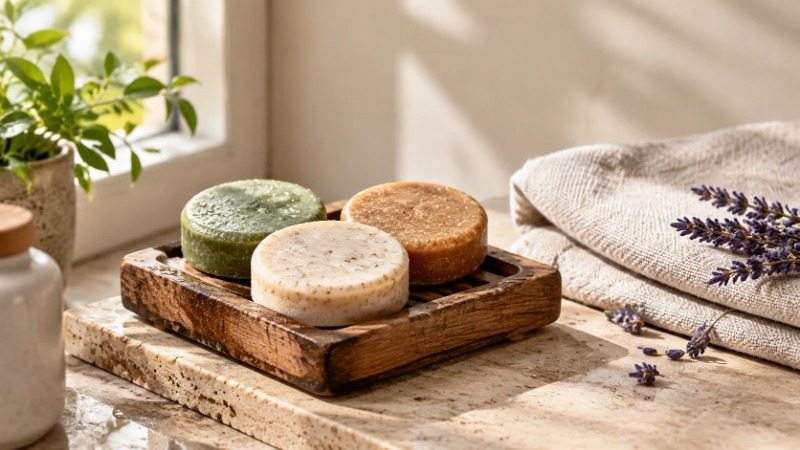
Soap-based shampoo bars
These are generally formulated using saponified oils and have an alkaline character. Depending on the formula, water conditions, and hair type, they may produce a different rinsing feel from conventional shampoos.
Syndet shampoo bars
These use selected surfactants rather than relying primarily on traditional soap chemistry. Depending on the system, they can be formulated to meet particular pH, foaming, and conditioning requirements.
Neither category should be assumed to perform identically across all formulas.
Before approving samples, ask the manufacturer for the complete ingredient list, the intended cleansing system, and the method used to measure the product's pH.
2. Evaluate OEM and Private Label Customization
A private label shampoo bar may involve different levels of development.
| Customization model | What it involves | Main procurement consideration |
|---|---|---|
| Existing formula with custom label | Branding an established product | Formula and packaging suitability |
| Modified existing formula | Adjusting selected characteristics | Additional testing and development |
| Fully customized formulation | Developing a product around a detailed brief | Development cost, validation, and ownership |
| Custom mold and packaging | Creating a distinctive product presentation | Tooling, stability, and order quantities |
Before negotiating pricing, determine which customization model your business actually requires.
Request written confirmation of formula ownership, change-control procedures, artwork approval, and the treatment of proprietary information.
3. Compare Samples Using the Same Testing Conditions
Supplier samples are most useful when they are tested consistently.
For example, testing one shampoo bar in soft water and another in hard water may produce different results that do not reflect the formulations alone.
A practical sample comparison should consider:
- Appearance and bar integrity
- Fragrance consistency
- Lather and rinsing behavior
- Hair feel after washing
- Performance under relevant water conditions
- Drying and storage behavior between uses
- Packaging condition after handling and storage
Brands should also define the intended hair type and use conditions.
A moisturizing product for dry hair should not automatically be judged against the same sensory criteria as a clarifying shampoo for oily hair.
Where performance claims are important, appropriate controlled testing and supporting evidence may be necessary.
4. Verify Manufacturing and Quality-Control Capabilities
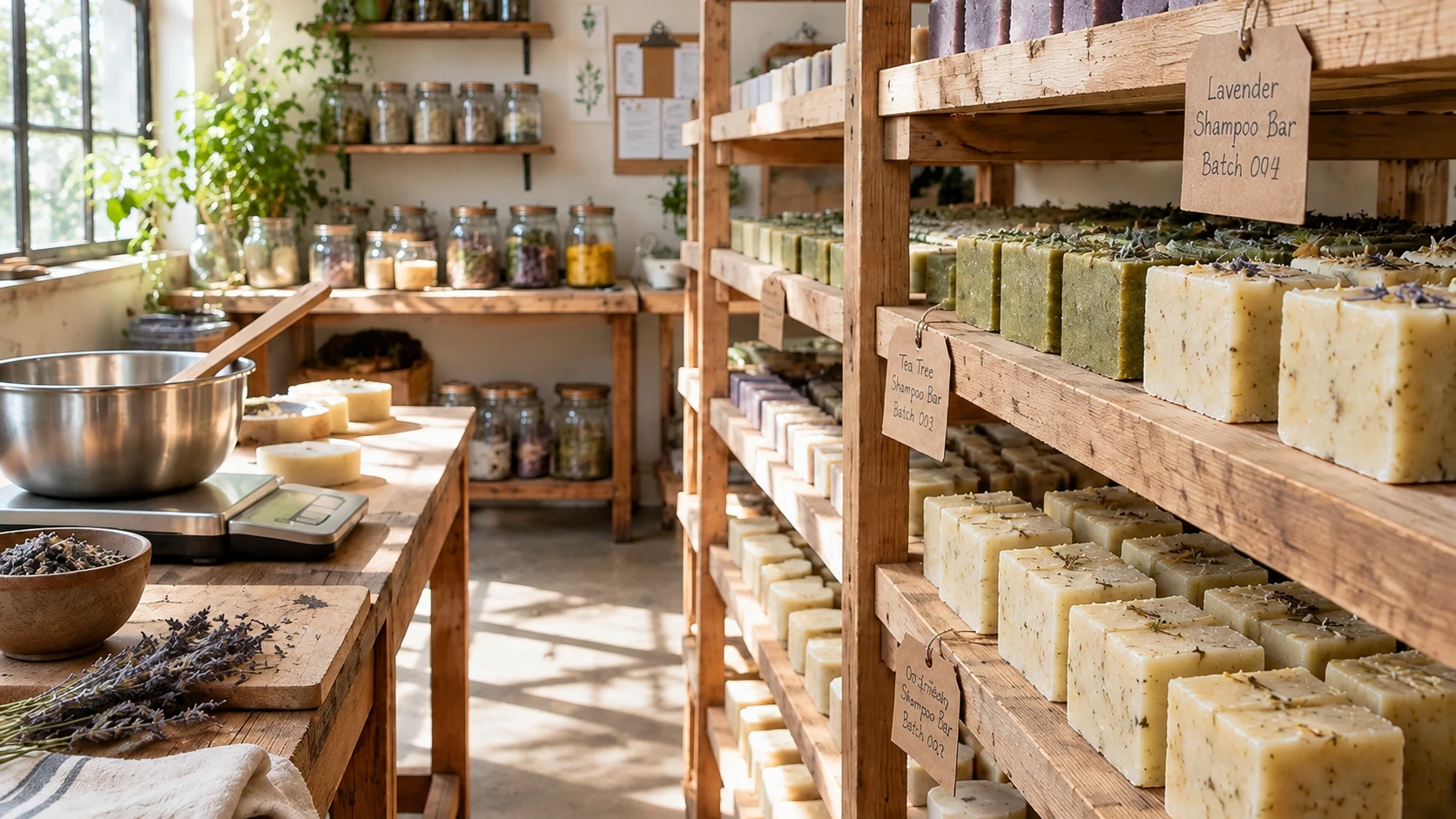
Do not rely solely on supplier website photographs.
Ask whether the company owns the production facility, operates through contracted factories, or uses a mixed manufacturing model.
Relevant verification documents may include:
- Company registration information
- Factory address and applicable manufacturing licenses
- Current GMP or ISO 22716 documentation, if claimed
- Approved formula and specification sheets
- Product-specific testing records
- Batch identification and traceability procedures
- Quality acceptance and complaint-handling processes
The existence of a certificate does not automatically establish that it covers the exact product or facility being evaluated.
Manufacturers should be able to explain how they control the approved formula, material specifications, production parameters, and finished-product checks.
Shampoo Bar MOQ, Pricing, and Landed Cost
Wholesale shampoo bar prices depend on more than the quantity ordered.
Formula complexity, ingredients, bar weight, custom molds, packaging materials, testing, and order configuration can all influence the quotation.
For an accurate comparison, request quotations against the same product brief.
A useful cost model is:
Landed cost per saleable bar = (product cost + packaging + tooling allocation + testing allocation + freight + duties and other import costs) ÷ saleable units received.
When comparing quotations, ask whether prices include:
- Inner packaging and outer cartons
- Custom printed labels and artwork setup
- Mold development or tooling
- Testing and documentation
- Export packaging and shipment preparation
- Applicable shipping terms
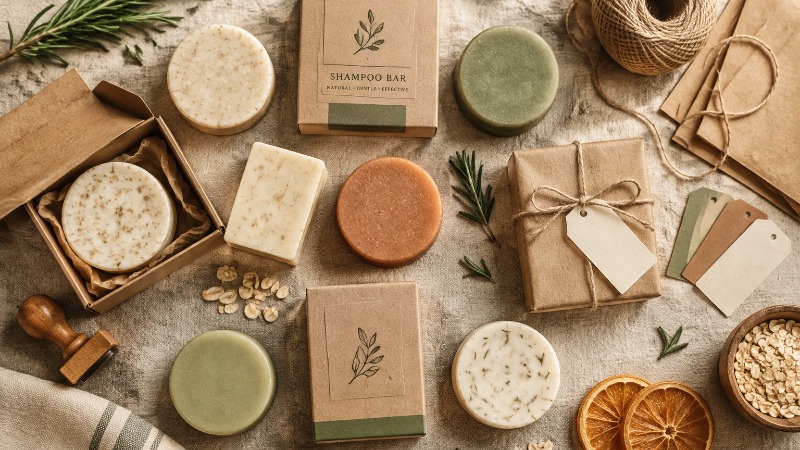
For example, one supplier may quote a lower unit price but exclude custom packaging or testing. Another may include these services in a higher quotation.
Comparing only the advertised product price can therefore lead to misleading procurement decisions.
You should also distinguish the minimum order quantity for an existing formula from the MOQ for a completely customized product.
Regulatory Requirements for International Shampoo Bar Buyers
Regulatory requirements depend on the destination market, formula, intended use, and marketing claims.
United States
Shampoos intended primarily for cleansing are generally regulated as cosmetics in the United States.
However, certain claims may change the regulatory classification.
For example, the U.S. Food and Drug Administration explains that an anti-dandruff shampoo can be regulated as both a cosmetic and a drug.
Claims about restoring hair growth can also raise drug-related regulatory concerns.
Buyers should review the FDA's guidance on cosmetics and drug classification before approving product claims.
Cosmetic facility registration and product listing should not be described as FDA product approval.
European Union
For shampoo bars sold as cosmetic products in the European Union, relevant obligations include the EU cosmetics framework under Regulation (EC) No 1223/2009.
Applicable requirements may include safety assessment, responsible-person arrangements, product information, labeling, and notification.
The European Commission provides information through the Cosmetic Products Notification Portal.
Buyers should confirm the documentation required for their specific product and market.
Other Markets
For other destinations, confirm ingredient restrictions, label languages, safety requirements, customs documentation, and product-specific regulations.
A supplier's experience exporting to one country does not automatically mean the same formula is ready for every market.
Questions to Ask Before Requesting a Bulk Shampoo Bar Quotation
A structured inquiry helps suppliers respond with comparable information.
Include the following details in your initial request:
| Information | What to specify |
|---|---|
| Destination market | Countries where the product will be sold |
| Target customer | Hair type and intended use |
| Formula preference | Soap-based, syndet, or open to recommendations |
| Product specifications | Weight, shape, fragrance, and appearance |
| Packaging | Carton, wrap, tin, or custom format |
| Order quantity | Estimated initial volume and number of SKUs |
| Quality requirements | Product performance and acceptance criteria |
| Development model | Existing formula, modified formula, or custom ODM |
| Documentation | Testing and compliance information needed |
| Delivery | Target schedule and preferred shipping terms |
After receiving quotations, narrow the supplier list based on their ability to meet the same requirements.
Request physical samples and supporting information before making a final sourcing decision.
For an overview of the development process, see Boymay's guide to custom shampoo bar development timelines.
Common Mistakes When Sourcing Shampoo Bars from China
Choosing the Lowest Quotation Without Comparing Specifications
Different formulas, weights, packaging materials, and testing requirements can produce very different costs.
A low price is not useful if the quoted product does not meet the intended specifications.
Assuming Every Shampoo Bar Is a Soap-Free Formula
Ask for the formulation type and ingredient information.
Product names such as "natural shampoo soap" or "solid hair shampoo" do not establish the actual cleansing system.
Treating Supplier Claims as Independent Verification
A website statement about certifications, manufacturing capacity, customer relationships, or export experience should be checked against appropriate evidence.
Approving Samples Without Written Acceptance Criteria
An approved sample should be supported by agreed product specifications and quality criteria.
Otherwise, buyers and suppliers may have different interpretations of acceptable bulk production quality.
Ignoring Packaging Stability
Solid shampoo bars can be affected by storage and moisture conditions.
Packaging selection should consider product characteristics, distribution requirements, and the intended shelf life.
Final Thoughts: Choose the Manufacturer That Fits Your Product
The ten companies in this guide provide starting points for businesses researching shampoo bar manufacturing and private label supply in China.
However, a shortlist should never replace supplier due diligence.
The most suitable manufacturing partner is the one that can demonstrate the required formula capabilities, consistent product quality, appropriate documentation, workable commercial terms, and effective communication.
For brands planning a new shampoo bar line, begin with a clear product brief, compare suppliers using consistent evaluation criteria, and validate samples before approving mass production.
Discuss a Private Label Shampoo Bar Project With Boymay
Boymay provides OEM/ODM services for personal care products, including solid shampoo bars.
If you are planning a private label shampoo bar range, you can explore our hair care manufacturing services and contact the Boymay team with your target market, formulation preferences, packaging concept, and estimated order quantity.
We can review your requirements and discuss available product development and sourcing options.
Frequently Asked Questions
Q: What is the difference between a shampoo bar manufacturer and a trading company?
A: A manufacturer performs production activities through its own or directly operated manufacturing facilities. A trading company primarily sources products from manufacturers and manages commercial supply.Some businesses perform both functions. Buyers should confirm who actually manufactures the product and who is responsible for quality control.
Q: What is the typical MOQ for private label shampoo bars in China?
A: There is no universal MOQ. The minimum order depends on the manufacturer, formulation, packaging, tooling, and number of variants. Request a product-specific quotation rather than relying on an advertised starting quantity.
Q: Can Chinese shampoo bar manufacturers develop custom formulas?
A: Some suppliers offer formula development, while others mainly provide existing formulas and packaging customization.Ask for a written description of the development process, sample approval steps, testing requirements, and formula ownership terms.
Q: What documents should importers request from a shampoo bar supplier?
A: The required documents depend on the destination market and product claims. Buyers commonly request ingredient information, product specifications, relevant safety or stability assessments, and applicable manufacturing documentation.Additional compliance steps may be required depending on the product's intended use and jurisdiction.