
On me pose cette question en permanence. Lors de dîners. Dans mes messages privés. Même à l’épicerie, quand quelqu’un me voit lire les étiquettes d’ingrédients sur littéralement tout. "Lequel est le mieux, les sels de bain ou les bombes de bain ?" Et ma réponse honnête ? Ce n’est pas aussi simple que de désigner un gagnant. Cela dépend de ce dont votre corps a besoin, de votre type de peau et, franchement, de l’humeur dans laquelle vous êtes au moment de faire couler l’eau.
Que comparons-nous exactement ici ?
Les sels de bain : la valeur sûre
Les sels de bain existent depuis toujours. Et j’entends par là depuis l’époque des civilisations anciennes se baignant dans des sources minérales. À la base, les ingrédients d’un bain dans un produit salin classique comprennent des sels minéraux — le sel d’Epsom (c’est du sulfate de magnésium), le sel de la mer Morte, le sel rose de l’Himalaya — parfois associés à des huiles essentielles pour le bain, à des plantes séchées ou à des huiles végétales nourrissantes pour la peau comme le jojoba ou l’huile d’amande douce.
Ils se dissolvent dans l’eau chaude et font leur effet en toute discrétion. Pas de grand spectacle. Pas de moment Instagram. Juste des minéraux qui pénètrent votre peau pendant que vos muscles se relâchent lentement de tout ce que la semaine vous a infligé. Il y a quelque chose de magnifiquement banal là-dedans, pour être honnête.
Bombes de bain : l’option ludique
Les bombes de bain sont les cousines plus récentes et plus tape-à-l’œil. Ce sont des mélanges compressés de bicarbonate de soude et d’acide citrique qui pétillent et moussent dès qu’ils entrent en contact avec l’eau. La plupart des formules sur lesquelles j’ai travaillé comprennent également des colorants, des parfums, des huiles essentielles, et parfois les bienfaits hydratants pour la peau proviennent de beurres ajoutés comme le cacao ou le karité.
Elles transforment votre baignoire en une expérience de bain tourbillonnante, colorée et pétillante. Les enfants les adorent. Les adultes les adorent. Mon collègue Greg — un homme de 45 ans avec une barbe qui lui descend jusqu’à la poitrine — a un abonnement à une box de bombes de bain. Aucun jugement ici.
Les vraies différences qui comptent vraiment
Bienfaits pour la peau : là où les sels de bain prennent l’avantage
C’est là que mon expérience dans la fabrication entre en jeu. Si vous prenez un bain principalement pour les bienfaits sur la peau ou les muscles, les sels de bain offrent généralement davantage. Le magnésium contenu dans les sels d’Epsom peut aider à soulager les douleurs musculaires et les tensions. Les sels de la mer Morte contiennent tout un cocktail de minéraux — magnésium, calcium, potassium — que la recherche a associés à des améliorations de la fonction barrière de la peau.
Les bombes de bain ? Elles peuvent être hydratantes, absolument, surtout lorsqu’elles sont formulées avec des huiles et des beurres. Mais la réaction effervescente elle-même ne fait pas réellement quoi que ce soit de thérapeutique. Il s’agit essentiellement d’un mécanisme d’apport pour les bons ingrédients mélangés à l’intérieur. La réaction de base entre le bicarbonate de soude et l’acide citrique est surtout tout simplement... amusante.
Cela dit, j’ai personnellement formulé des bombes de bain à l’avoine colloïdale et au lait de coco qui laissaient réellement la peau douce. Donc, ce n’est pas que les bombes de bain ne peuvent pas offrir de véritables bienfaits hydratants pour la peau — c’est qu’il faut vraiment lire les ingrédients au lieu d’acheter simplement la plus jolie sur l’étagère.
L’expérience sensorielle : les bombes de bain remportent cette manche
Soyons honnêtes. Déposer une bombe de bain dans l’eau et la regarder tourner, pétiller et libérer des rubans de couleur est satisfaisant d’une manière que verser une mesure de sel dans une baignoire n’est tout simplement pas. Si votre rituel de bain relaxant consiste à créer un moment — allumer des bougies, lancer une playlist, faire en sorte que l’ensemble ressemble à un véritable événement — les bombes de bain ajoutent cette dimension visuelle et sensorielle que les sels ne peuvent tout simplement pas égaler.
Je l’ai constaté de mes propres yeux lors de nos sessions de tests consommateurs. Les gens sourient sincèrement lorsqu’ils mettent une bombe de bain dans l’eau. Avec les sels, ils remuent un peu l’eau et attendent. Les deux sont efficaces. Ambiances très différentes.
Peau sensible : prudence dans les deux cas
Aucun des deux produits n’est automatiquement "sûr" pour les peaux sensibles, et je pense que c’est un point que beaucoup de gens comprennent mal. Les bombes de bain ont tendance à contenir davantage de colorants synthétiques et de parfums, ce qui peut être irritant pour les peaux réactives. Mais de nombreux sels de bain sur le marché contiennent eux aussi des parfums artificiels.
Ma règle de base — et ce que je dis littéralement à tous ceux qui me le demandent — est la suivante : retournez l’emballage. Lisez la liste des ingrédients. Si vous avez une peau réactive, recherchez des produits avec un minimum de parfum, sans colorants artificiels et avec des formulations simples. Certains des meilleurs sels de bain que j’aie jamais rencontrés contenaient trois ingrédients. Certaines des bombes de bain les plus douces que j’ai aidé à développer en avaient six. La simplicité est votre meilleure alliée ici.
Si vous aimez prendre un bon bain quelques fois par semaine dans le cadre d’une routine de bain relaxante régulière, les sels de bain sont nettement plus économiques. Les bombes de bain relèvent davantage du plaisir occasionnel — votre rituel du vendredi soir, votre récompense après une journée difficile, votre achat "je le mérite absolument".
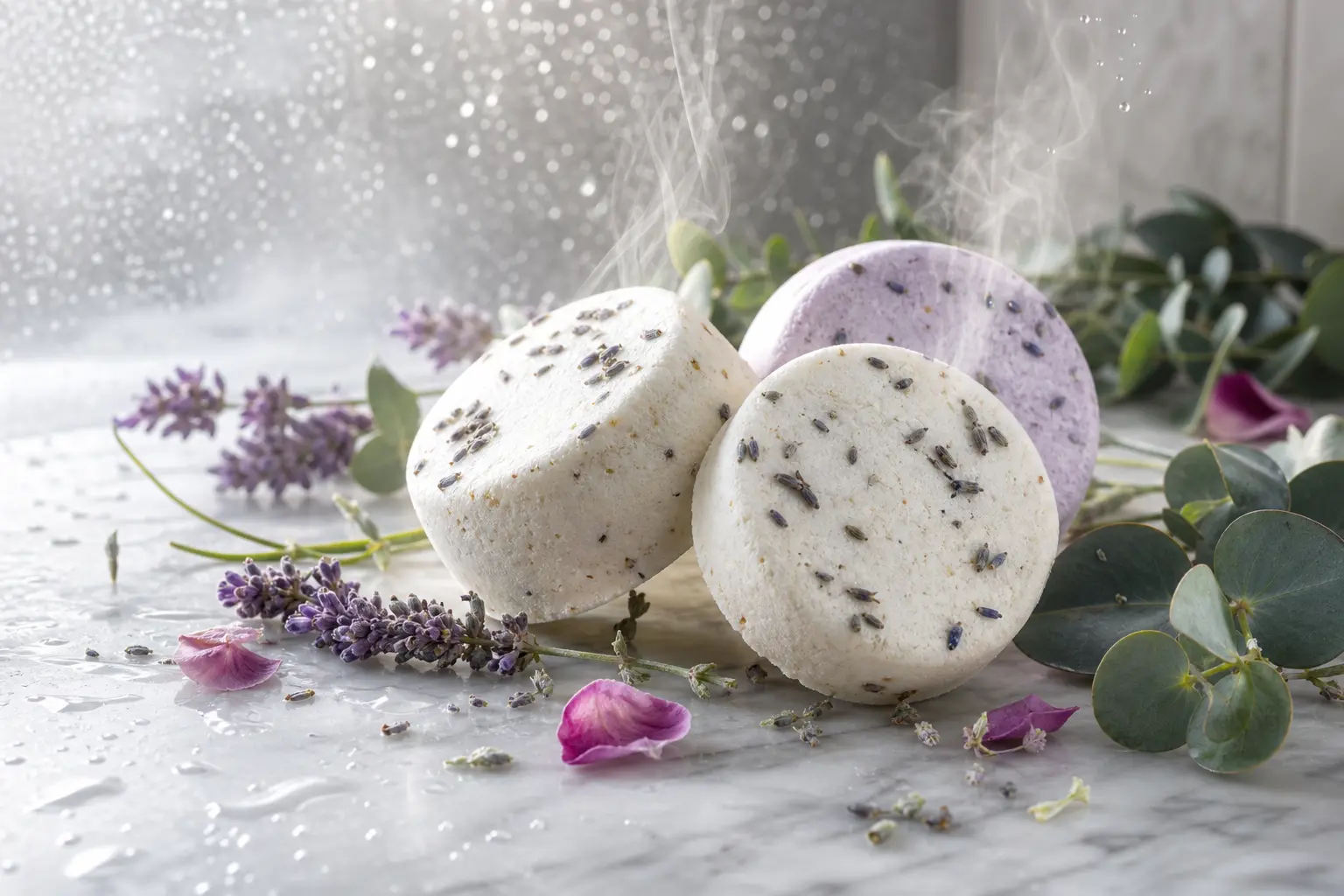
Quand je recommanderais les sels de bain
- Après une séance de sport intense. Le magnésium contenu dans les sels d’Epsom est réellement utile pour les muscles endoloris. Je garde en permanence un grand sachet à côté de ma baignoire, sans exagérer.
- Lorsque votre peau est sèche ou irritée. Les sels riches en minéraux, notamment ceux de la mer Morte, peuvent favoriser l’hydratation de la peau sans beaucoup de produits chimiques ajoutés.
- Si vous prenez des bains fréquemment. Économiques, simples, et personnalisables en ajoutant vos propres huiles essentielles pour le bain — quelques gouttes de lavande, un peu d’eucalyptus, selon vos envies.
- Lorsque vous voulez quelque chose de non parfumé ou légèrement parfumé. Il est bien plus facile de trouver des options simples, sans parfum, avec les sels qu’avec les bombes.
Quand je recommanderais les bombes de bain
- Quand vous avez besoin d’un coup de boost pour le moral. Sérieusement, les couleurs et l’effervescence déclenchent quelque chose de joyeux dans votre cerveau. Ne sous-estimez pas cela.
- Comme cadeau. Les bombes de bain sont attrayantes visuellement, amusantes à déballer et donnent une impression de produit spécial. Un sachet de sels n’a tout simplement pas la même dimension de cadeau, quelle que soit leur qualité.
- Pour les enfants. Vous avez du mal à faire entrer un enfant réticent dans le bain ? Une bombe de bain effervescente avec un petit jouet caché à l’intérieur fait des miracles. Je l’ai vu sauver des routines du coucher à maintes reprises.
- Quand vous voulez une expérience digne d’un spa à la maison. La combinaison de la diffusion du parfum, des volutes de couleur et des produits de bain effervescents crée une atmosphère réellement luxueuse.
Peut-on utiliser les deux ? Absolument.
Ce n’est pas vraiment une situation où il faut choisir entre l’un ou l’autre, et je pense que présenter les choses ainsi ne rend service à personne. Certains de mes bains préférés consistent à ajouter d’abord une bonne poignée de sel d’Epsom pour le bain minéral, puis à déposer une plus petite bombe de bain pour l’expérience complète. Vous obtenez les bienfaits thérapeutiques et le plaisir sensoriel. Le meilleur des deux mondes.
Quelques-unes de nos nouvelles gammes de produits au travail combinent en réalité les deux concepts — des bombes de bain effervescentes avec une forte teneur en sels minéraux directement intégrée. Le marché se dirige clairement dans cette direction, car les consommateurs deviennent plus avisés et recherchent des produits à la fois efficaces et agréables. Les données du secteur du début de l’année 2026 montrent que le segment des soins du bain et du corps continue de croître, les acheteurs accordant de plus en plus d’importance à la transparence des ingrédients tout autant qu’à l’attrait sensoriel. Cette tendance me réjouit sincèrement, car elle signifie que les gens commencent enfin à prêter attention à ce qu’il y a réellement dans leur bain.
Ce que j’aimerais que plus de gens sachent
Vérifiez d’abord votre baignoire. Les bombes de bain contenant beaucoup de colorants peuvent tout à fait tacher les baignoires en acrylique. Je l’ai appris à mes dépens avec une bombe violet foncé et la baignoire blanche de mon propriétaire. Ce n’était pas mon moment le plus glorieux, ni une conversation agréable à avoir.
La température de l’eau compte plus que vous ne le pensez. Les sels de bain se dissolvent mieux et libèrent les minéraux plus efficacement dans une eau chaude — mais pas brûlante —. Les bombes de bain pétillent aussi plus vite dans une eau plus chaude, donc si vous voulez vraiment profiter du spectacle, ne montez pas trop la température. Environ 37-38°C est généralement la température idéale que je choisis.
Le mode de conservation diffère pour chacun. Les sels de bain sont plutôt tolérants — conservez-les dans un récipient hermétique à l’abri de l’humidité et ils dureront très longtemps. Les bombes de bain sont bien plus délicates. L’humidité de votre salle de bains commencera à les activer prématurément, et personne n’a envie d’utiliser une bombe de bain à moitié effervescente qui s’effrite dans la main. Gardez-les bien emballées et rangées dans un endroit frais et sec, hors de la salle de bains si possible.
Questions fréquentes
Les sels de bain ou les bombes de bain sont-ils meilleurs contre les douleurs musculaires ?
Les sels de bain, en particulier les sels d’Epsom, sont généralement le meilleur choix contre les douleurs musculaires. Le sulfate de magnésium est utilisé depuis des siècles pour soulager les muscles, et la plupart des thérapeutes sportifs avec qui j’ai échangé recommandent les bains de sel plutôt que les bombes de bain pour la récupération après l’effort. Si une bombe de bain ne mentionne pas de sel d’Epsom ni de magnésium dans sa liste d’ingrédients, elle ne sera probablement pas d’une grande aide contre les courbatures.
Les bombes de bain peuvent-elles boucher mon évacuation ?
Oui, tout à fait, surtout celles qui contiennent beaucoup de paillettes épaisses, de pétales de fleurs ou de gros morceaux d’ingrédients ajoutés. Je recommande toujours d’utiliser un filtre d’évacuation ou une grille en maille si votre bombe de bain contient beaucoup d’éléments supplémentaires. Dans notre établissement, nous testons effectivement le débit d’évacuation avec chaque nouvelle formule — mais je peux vous dire que tous les fabricants ne prennent pas cette précaution.
À quelle fréquence peut-on utiliser des sels de bain ou des bombes de bain sans risque ?
Pour la plupart des gens, deux à trois bains au sel par semaine conviennent parfaitement et ne devraient poser aucun problème. Pour les bombes de bain, je conseillerais de s’en tenir à une ou deux fois par semaine, principalement parce que les parfums, les colorants et l’acide citrique peuvent devenir plus irritants en cas d’utilisation fréquente. Mais cela dépend vraiment de votre peau et du produit précis que vous utilisez. Soyez attentif à la façon dont votre peau réagit.
Les sels de bain et les bombes de bain sont-ils sans danger pendant la grossesse ?
C’est la seule question pour laquelle je préfère toujours rester prudent et vous dire de consulter d’abord votre médecin. Certaines huiles essentielles utilisées dans le bain — comme le romarin ou la sauge sclarée — sont généralement évitées pendant la grossesse. Les bains simples au sel d’Epsom dans une eau tiède (et non chaude) sont généralement considérés comme sûrs par la plupart des praticiens, mais je suis formulateur de produits, pas médecin. Votre gynécologue-obstétricien vous donnera des conseils bien plus adaptés que moi.
Les bombes de bain hydratent-elles vraiment la peau ?
Oui, mais seulement si elles contiennent de véritables ingrédients hydratants comme le beurre de karité, l’huile de coco ou des poudres de lait. La réaction effervescente à elle seule n’hydrate rien — c’est ce que le produit contient qui fait le travail. Vérifiez toujours l’étiquette au lieu de supposer qu’une bombe de bain laissera votre peau douce. J’ai testé de nombreuses bombes de bain qui laissaient la peau sèche et tiraillée parce que la formule ne contenait rien de nourrissant au-delà du parfum et de la couleur.
Peut-on mélanger des sels de bain et des bombes de bain ?
Oui, sans problème — je le fais régulièrement et, honnêtement, j’adore cette combinaison. Veillez simplement à la quantité totale de parfum et d’huiles que vous ajoutez à un seul bain. En abuser peut laisser la peau grasse ou provoquer une irritation, surtout si vous superposez plusieurs produits parfumés. Mon conseil ? Commencez avec une quantité modérée de sel et associez-la à une plus petite bombe de bain si vous les combinez. Vous pourrez toujours ajuster ensuite une fois que vous saurez comment votre peau réagit.